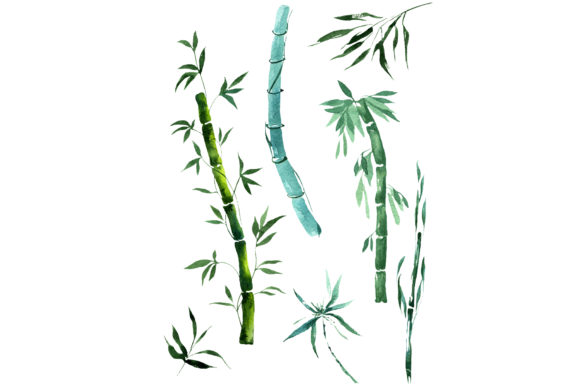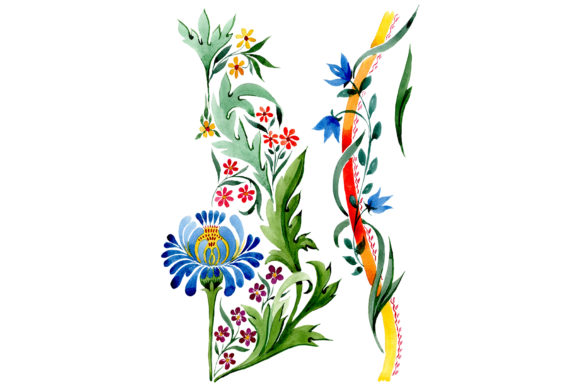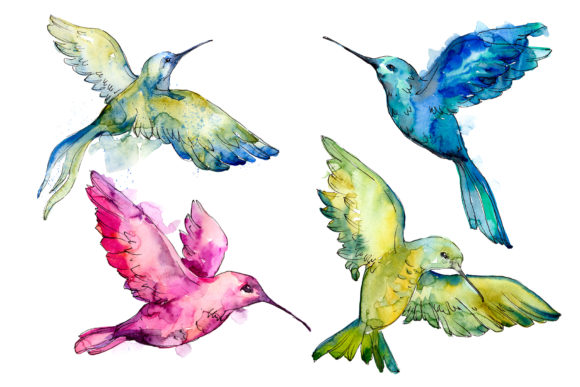
Watercolor Tropical Borders and Patterns Review
As a designer who has spent years translating digital art into tangible thread, I approach every new asset with a critical eye. When I first opened the file for Watercolor Tropical Borders and Patterns, my initial reaction was one of cautious optimism. The aesthetic is undeniably fresh, capturing that soft, dreamy vibe that defines the current trend in home decor and lifestyle apparel. However, the transition from a screen-based illustration to a stitched reality is where the true test lies. This review isn't just about whether the design looks pretty; it is about whether it holds up under the pressure of a real embroidery project.
The Visual Mood and Design Intent
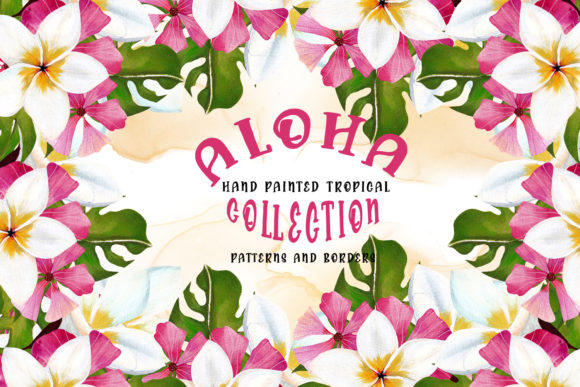
The Illustrations category often presents a challenge for embroiderers because digital watercolors rely on gradients and soft edges that machines struggle to replicate without careful digitizing. Watercolor Tropical Borders and Patterns manages this balance well by using distinct shapes that suggest fluidity rather than attempting impossible smooth blends. The tropical theme is executed with a sense of movement, featuring leaves and organic curves that feel alive rather than static. For a small business owner or an Etsy seller looking to refresh their summer collection, this design offers a natural entry point into the "boho-chic" market segment. It creates an immediate mood of relaxation and warmth, which is exactly what customers seek when browsing for handmade products like tote bags or nursery decor.
Real-World Application: The Custom Tote Bag Scenario
To truly understand the utility of this machine embroidery design, let's walk through a specific scenario. Imagine you are preparing a custom embroidered tote bag for a boutique client. The fabric is a sturdy, medium-weight canvas, and the goal is to create a border that frames the bottom hem. When I visualized Watercolor Tropical Borders and Patterns on this surface, the layout proved incredibly versatile. The repeating nature of the border allows for seamless tiling, which is essential for larger items where a single motif might look too small or isolated.
In this context, the design shines. The tropical elements provide enough visual weight to anchor the bag without overwhelming the negative space. If you were to use this for sweatshirt embroidery, perhaps as a sleeve cuff detail, the organic shapes would soften the boxy silhouette of the garment. For baby embroidery projects, such as a crib skirt or a receiving blanket border, the gentle curves and lack of sharp, aggressive angles make it a safe and aesthetically pleasing choice. The design feels premium, suggesting a high-quality finished product that justifies a higher price point for your craft business.
Navigating Technical Challenges and Fabric Textures
While the aesthetic appeal is strong, practical application requires a deep understanding of how stitch density interacts with different materials. One area where Watercolor Tropical Borders and Patterns demands attention is on textured fabrics. If you attempt to stitch this on a heavy linen or a thick fleece, the intricate details of the watercolor effect might get lost in the weave. The design relies on subtle variations in fill stitch to mimic the look of paint, and these nuances can be swallowed by a coarse texture.
Similarly, working with stretchy fabrics like jersey knit requires extra caution. The border format means there is a continuous line of stitching; if the fabric stretches during hooping, the design could pucker or distort. Always use a proper stabilizer, preferably a tear-away or cut-away depending on the fabric weight, to maintain the integrity of the shape. For dark fabrics, the default thread colors provided in the embroidery file may not offer sufficient contrast. You will likely need to adjust the color palette manually to ensure the tropical greens and blues pop against a navy or black background. Without adequate contrast, the "watercolor" illusion breaks down, and the design simply looks muddy.
Strategic Use for Small Business and Commercial Projects
For creative entrepreneurs and digital product sellers, the versatility of Watercolor Tropical Borders and Patterns is a significant asset. It works exceptionally well for creating printable mockups to showcase potential designs before production. You can visualize how the pattern looks on pillow covers, aprons, or holiday gifts without committing to physical samples immediately. This efficiency is crucial for managing inventory in a small shop product line.
However, before selling any finished items, you must confirm the licensing terms associated with this digital embroidery file. Not all illustrations come with commercial rights for unlimited reproduction. If you plan to sell hundreds of embroidered patches or personalized gifts, ensure you have the appropriate license to avoid legal issues. Additionally, consider the brand consistency. Does this tropical vibe align with your existing catalog? If your brand is known for minimalist, monochrome aesthetics, introducing a vibrant watercolor border might confuse your customer base. Conversely, if you specialize in colorful, nature-inspired goods, this design is a perfect fit to boost buyer engagement and recognition.
Practical Designer Notes for Success
Before you commit to a final run, I strongly advise testing the design on scrap fabric first. Check the stitch density to ensure there are no gaps in the fill areas that might show the backing material. Inspect the small details, particularly where the leaf tips meet the border line, to ensure they do not unravel after washing. Test the design in black and white mockups to see if the value contrast holds up without color. Finally, compare the design on both light and dark fabric backgrounds to determine if color adjustments are necessary for your specific project needs.
Watercolor Tropical Borders and Patterns is a robust tool for the modern maker, but like any design asset, its success depends on how thoughtfully it is applied. By respecting the limitations of the medium and leveraging the strengths of the pattern, you can create custom apparel and home goods that stand out in a crowded marketplace. Whether you are crafting a holiday gift or building a commercial embroidery line, this design offers a professional, artistic edge that elevates the entire finished product.