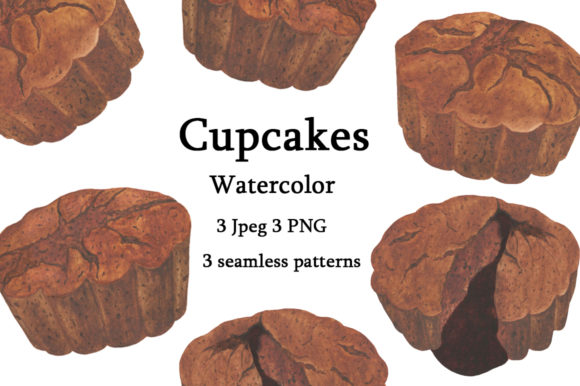
Watercolor Cupcakes, Muffins Dessert Review
As a designer who has spent years translating digital files into tangible thread and fabric, I approach every new machine embroidery design with a mix of excitement and skepticism. The market is flooded with generic assets, so finding a piece that truly elevates a handmade product requires a critical eye. Recently, I evaluated the Watercolor Cupcakes, Muffins Dessert file to see if it holds up under the pressure of real-world production. This isn't just about how it looks on a screen; it is about how it behaves when stitched onto a tote bag, a baby blanket, or a boutique apron.
The Visual Mood and First Impression
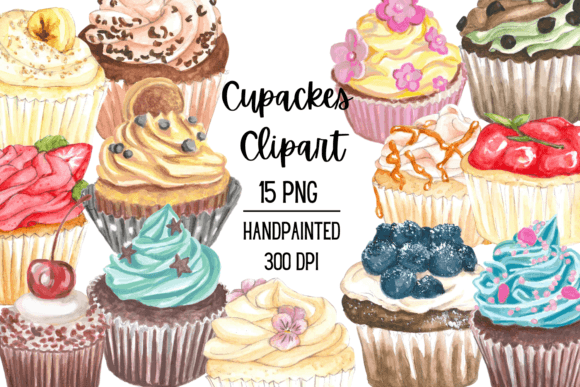
When I first opened the preview for Watercolor Cupcakes, Muffins Dessert, the immediate feeling was one of softness and nostalgia. Unlike rigid, geometric patterns often found in standard Illustrations categories, this design leans heavily into an artistic, hand-painted aesthetic. The shapes are organic, with edges that mimic the bleed of watercolor paint rather than sharp vector lines. For a craft business owner looking to create a distinct brand identity, this visual personality is a significant asset. It suggests warmth, creativity, and a touch of whimsy that resonates well with customers seeking personalized gifts.
The layout feels balanced, allowing each cupcake and muffin to breathe without overcrowding the hoop. However, the true test of any embroidery file lies in its translation from pixels to stitches. The challenge with a watercolor style is capturing that gradient effect using fill stitch and satin stitch techniques without creating a muddy or overly dense result. If the stitch density is too high, the design could pucker thin fabrics; if too low, the color blending might look pixelated. My initial assessment suggests this design relies on clever color layering to achieve its soft look, which is promising for high-quality finished products.
Real-World Application: From File to Fabric
To truly understand the value of Watercolor Cupcakes, Muffins Dessert, I imagined it in a specific scenario: preparing a custom embroidered tote bag for a local bakery's holiday promotion. Tote bags are a staple for Etsy sellers and small shop owners because they serve as walking advertisements. Placing this dessert-themed design on a sturdy cotton canvas would likely yield excellent results. The natural texture of the canvas can complement the "painterly" feel of the cupcakes, making the final item look like a piece of wearable art rather than a mass-produced logo.
I also considered its potential for baby embroidery. A soft, pastel-colored onesie or a nursery pillow cover featuring these sweet treats would be incredibly giftable. Parents love unique, non-cliché designs for their children's items. The gentle curves of the muffins and cupcakes avoid harsh angles, making them safe and visually appealing for young audiences. In this context, the design transforms from a simple graphic into a cherished keepsake, adding significant perceived value to the handmade product.
For apparel decorators, the versatility is key. Imagine this design on the chest of a sweatshirt for a baking club or as a back print on a chef's apron. The scale of Watercolor Cupcakes, Muffins Dessert appears adaptable, meaning it could work as a large statement piece or a smaller accent depending on the hoop size used. This flexibility is crucial for commercial embroidery projects where inventory space and fabric types vary wildly.
Navigating Technical Challenges
Despite its charm, there are areas where caution is required. Watercolor effects can be tricky on textured fabrics. If you attempt to stitch this design on a heavy fleece or a thick denim jacket, the subtle color transitions might get lost in the fabric weave. The thread colors need to pop against the background, but on dark fabrics, the light pastels typical of a watercolor style may require a dense underlay that could stiffen the garment.
Furthermore, do not underestimate the importance of the stabilizer. Because watercolor styles often involve intricate shading, the design may have varying stitch densities across different sections. Without the proper backing, especially on stretchy materials like jersey knit, the design could distort or sink into the fabric. I always recommend testing the design on scrap fabric first. Stitch out a sample to check for registration issues, particularly where the frosting meets the cupcake liner. If the running stitch outlines are too fine, they might disappear on certain textures, ruining the definition of the image.
Another consideration is the hoop size. While the design might look great in a large 6x10 inch hoop, shrinking it down for a cap or a small patch could cause detail loss. The delicate gradients of the watercolor effect rely on space to render correctly. On a curved surface like a baseball cap, the tension changes, which can alter the way the threads lay down. Always verify that the smallest details remain legible at your intended scale before committing to a full run of custom apparel.
Strategic Advice for Designers and Sellers
If you are planning to incorporate Watercolor Cupcakes, Muffins Dessert into your craft business, treat it as a premium asset. Its aesthetic quality can elevate a basic t-shirt into a boutique item, justifying a higher price point. However, professionalism is paramount. Before listing items on Etsy or selling at a craft fair, ensure your stitching is flawless. Check the thread contrast against your chosen fabric; sometimes, what looks vibrant on a computer monitor needs adjustment in reality.
Always review the licensing terms carefully. As a digital product seller, you must confirm whether you are allowed to sell finished goods made with this digital embroidery file. Some licenses restrict commercial use or limit the number of items you can produce. Ignoring this can lead to legal trouble and damage your reputation. Additionally, consider creating printable mockups to showcase how the design looks on various products before you invest in physical materials. This helps manage customer expectations and builds trust.
Finally, think about the longevity of the design. Will it still look good after frequent washing? High-density areas can become rough over time. If you are making items like kitchen towels or aprons that will see heavy use, opt for a slightly larger scale to reduce stitch density per square inch. This ensures the finished product remains soft and durable.
Final Verdict on Design Utility
Watercolor Cupcakes, Muffins Dessert is a strong contender for designers looking to add a touch of artistic flair to their portfolio. It bridges the gap between traditional illustration and functional embroidery, offering a unique look that stands out in a sea of generic logos. Whether you are creating a personalized gift for a friend or launching a line of holiday embroidery products, this design has the potential to drive engagement and sales.
However, success depends on execution. Respect the technical requirements of the file, choose the right fabrics, and never skip the test stitch. When done correctly, this design does more than decorate; it tells a story and adds a layer of craftsmanship that customers will appreciate. For the savvy maker willing to put in the extra effort, it is a valuable addition to their library of design assets.