Colibri Small Bird Watercolor Embroidery Review
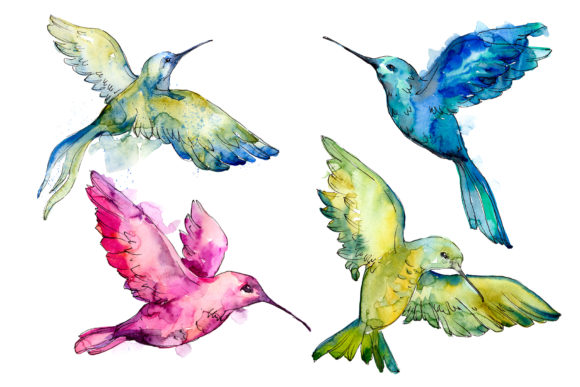
As a designer who has spent years translating digital art into tangible stitched goods, I know that not every machine embroidery design survives the transition from screen to fabric. When I first opened the file for Colibri Small Bird Watercolor, my initial reaction was one of cautious optimism. The concept is undeniably charming: a tiny hummingbird rendered in soft, blended hues that mimic the look of watercolor paint. It sits comfortably within the Illustrations category, promising a delicate aesthetic that many crafters and boutique owners are currently seeking. However, beauty on a monitor does not always guarantee success in a hoop. Today, I am breaking down exactly how this design performs in real-world scenarios, where it shines, and where you need to exercise caution before committing thread and time.
The Mood and Visual Personality of the Design
At its core, Colibri Small Bird Watercolor exudes a sense of whimsy and lightness. The visual personality is defined by its organic edges and gradient-like color transitions. Unlike traditional geometric or bold vector art often used in commercial embroidery, this piece relies on subtle shading to create depth. For an Etsy seller or a small shop owner looking to differentiate their brand, this design offers a sophisticated alternative to the standard "cartoon" style birds found in many generic libraries. It feels like a piece of fine art shrunk down for a garment, which immediately elevates the perceived value of any finished product.
However, the very nature of watercolor effects presents a unique challenge in stitching. In a physical medium, watercolor bleeds; in embroidery, we must simulate that bleed using specific stitch techniques. The design attempts to achieve this through varied fill stitch directions and carefully placed running stitch details. My first impression is that the layout is balanced, but the detail level is high relative to the size of the bird. This means that while the overall shape is clear, the magic lies entirely in the execution of those tiny, soft edges.
A Real-World Test: The Custom Tote Bag Scenario
To truly evaluate Colibri Small Bird Watercolor, I imagined a specific project: a custom embroidered tote bag for a local botanical garden fundraiser. The goal was to create a reusable bag that felt premium yet approachable. I envisioned placing the hummingbird on the lower right corner of a natural, unbleached cotton canvas tote. In this context, the design works beautifully. The earthy tones of the canvas provide a perfect backdrop for the soft greens and blues of the bird, allowing the thread colors to pop without being overwhelming.
In this scenario, the tote bag design becomes a conversation starter. Customers at a craft fair would likely be drawn to the intricate detailing that suggests a handmade touch, even if it is machine-stitched. The small scale of the bird makes it versatile; it doesn't dominate the bag but acts as a tasteful accent. If I were selling these as a small shop product, I would pair them with a simple tag explaining the "watercolor effect," which adds a narrative layer to the sale. The design successfully bridges the gap between a mass-produced item and a personalized gift, offering that coveted "boutique" feel.
Navigating Fabric and Hoop Challenges
While the tote bag scenario is ideal, Colibri Small Bird Watercolor requires careful consideration regarding fabric choice and hoop size. Because the design mimics soft washes of color, it demands a stable foundation. On textured fabrics like heavy denim or thick wool, the delicate lines might get lost in the weave. Similarly, on stretchy materials like jersey knit for a sweatshirt embroidery project, the tension required to hold the hoop can distort the bird's wings if the wrong stabilizer is used.
I strongly advise against attempting this design on thin, sheer fabrics without significant reinforcement. The stitch density needed to create the watercolor illusion can cause puckering on lightweight materials, ruining the fluid look of the bird. Furthermore, dark fabrics present a contrast issue. While the design includes darker outlines, the lighter pastel shades intended to mimic watercolor washes may disappear against black or navy backgrounds unless you use a high-density underlay or a tonal shift in your thread colors. Always test your design on scrap fabric first, comparing light and dark backgrounds to ensure the visual appeal remains intact.
Specific Use Cases and Limitations
- Baby Items: This is an excellent candidate for baby embroidery projects, such as receiving blankets or onesies, provided the fabric is sturdy enough to handle the stitch count. The gentle theme fits nursery decor perfectly.
- Embroidered Patches: Creating an embroidered patch from this design is a smart move. By stitching it onto a backing fabric and cutting it out, you eliminate the risk of fabric distortion and can apply it to caps, jackets, or backpacks later.
- Caps and Curved Surfaces: Be extremely cautious here. The curved surface of a cap can warp the straight lines of the bird's beak or tail. If you do attempt this, ensure the hoop size accommodates the curve without crushing the stitches.
- Holiday Gifts: As a holiday embroidery asset, this bird could be part of a larger wreath design or stand alone on a tea towel. Its neutral palette makes it suitable for year-round use, not just spring.
Practical Designer Notes for Success
If you decide to integrate Colibri Small Bird Watercolor into your workflow, treat it as a professional asset that requires preparation. Before running your first production batch, download the digital embroidery file and review it in your software. Check the stitch density to see if there are areas that might pull too tight. Sometimes, reducing the density slightly in the fill areas can enhance the "painterly" look and prevent fabric damage.
Always confirm your licensing terms. If you plan to sell finished items like tote bags or patches, ensure the license covers commercial embroidery. Many designers restrict the number of items you can sell or require a different license tier for large-scale production. Additionally, if you are creating printable mockups for your online store, make sure the preview accurately represents the stitch texture so customers aren't misled by a flat image.
Finally, consider the thread colors you choose. While the default palette is likely optimized, experimenting with slightly more saturated threads can sometimes help the watercolor effect read better on camera for social media marketing. A well-executed personalized gift featuring this bird can become a signature item for your business, but only if the technical execution matches the artistic vision.
Final Verdict on Value and Application
Colibri Small Bird Watercolor is a strong addition to any designer's library, particularly for those targeting the home decor, baby, and lifestyle markets. It offers a level of sophistication that separates a generic handmade product from a truly curated collection. However, it is not a "load and go" design for every situation. It rewards patience, proper stabilization, and thoughtful fabric selection. For the craft business owner willing to take the time to test and refine, this design can significantly boost customer trust and engagement by showcasing attention to detail. Just remember: the best embroidery project is one where the design serves the material, not the other way around.