Reviewing Bloom Red Roses Watercolor for Real Embroidery
The First Impression: Softness Meets Structure
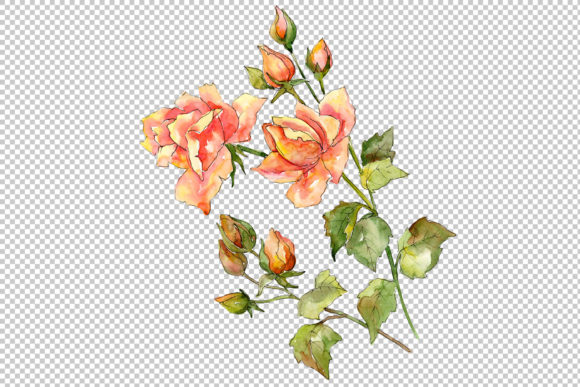
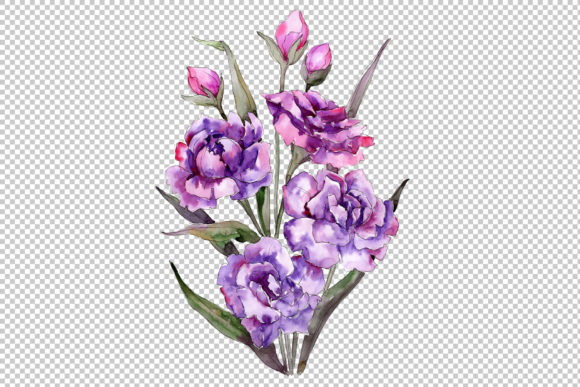
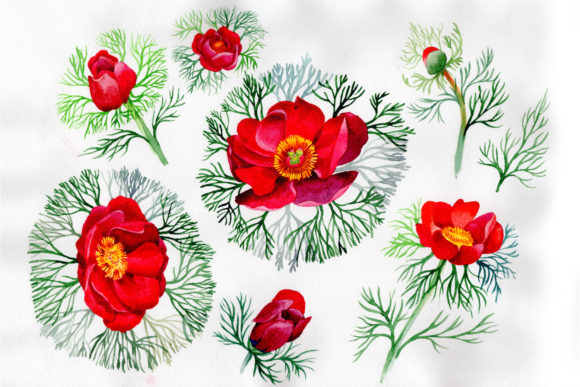
When I first opened the Bloom Red Roses Watercolor file on my screen, the immediate feeling was one of artistic fluidity. Unlike traditional vector roses that rely on sharp, defined outlines and rigid symmetry, this design leans heavily into the aesthetic of a painted canvas. As an experienced designer who has reviewed countless Illustrations for commercial use, I appreciate when a digital asset captures the soul of its medium. The watercolor effect is achieved through soft gradients and organic edges, which translates beautifully in theory but requires careful execution in practice.
This is not a design for a corporate logo or a stiff uniform patch. It belongs in the realm of custom apparel, handmade products, and boutique gifts where emotion and texture matter more than geometric perfection. The visual personality of Bloom Red Roses Watercolor suggests romance, nostalgia, and a touch of vintage charm. If you are an Etsy seller or a small shop owner looking to elevate your brand with something that feels curated rather than mass-produced, this piece offers a distinct advantage over generic floral clip art.
Translating Digital Art to Stitched Reality
The true test of any machine embroidery design is how it behaves when thread meets fabric. In real-life scenarios, such as preparing a custom embroidered tote bag or a cozy sweatshirt, the watercolor style presents unique challenges and opportunities. When I visualize this design on a heavy cotton tote bag, the soft blending of reds and pinks creates a focal point that draws the eye without overwhelming the garment. It works exceptionally well as a statement piece on the front pocket of a denim jacket or centered on a linen pillow cover.
For apparel decorators, the key lies in understanding how the stitch types interact with the watercolor illusion. A standard fill stitch can sometimes look too blocky for this style. To truly capture the essence of Bloom Red Roses Watercolor, you may need to adjust your machine settings to create a softer texture, perhaps utilizing a mix of running stitch for the delicate petal edges and varying densities in the fill areas to mimic brush strokes. On a sweatshirt embroidery project, the loft of the fleece will naturally soften the stitches, enhancing the watercolor effect even further.
I have also considered using this design for personalized gifts, specifically wedding favors or anniversary items. Imagine a set of kitchen towels or aprons featuring these roses; the sentiment is clear, and the execution feels high-end. For holiday embroidery, particularly Valentine's Day or Mother's Day collections, this design adds a layer of sophistication that separates your small shop product from the typical heart-and-flower clichés found in big-box stores.
Navigating Fabric Challenges and Limitations
While the aesthetic appeal is strong, practical judgment dictates that we must be cautious about where we apply this design. The intricate details and gradient shading of Bloom Red Roses Watercolor demand a stable foundation. On thin fabrics like silk or light chiffon, the density required to achieve the color depth could cause puckering or distortion. Similarly, on highly textured fabrics like thick wool or terry cloth, the fine details of the petals might get lost in the weave.
If you are planning to use this for caps or other curved surfaces, you must evaluate the layout carefully. Curved stitching can alter the perception of the watercolor gradients, potentially making the smooth transitions look jagged. Additionally, while the design looks stunning on light backgrounds, using it on dark fabric requires a significant amount of underlay and possibly a backing change to ensure the lighter shades of the watercolor pop against the dark thread. Without proper contrast, the "watercolor" effect can turn into a muddy mess.
Another critical consideration is the hoop size. Although the exact dimensions are not specified in the basic description, watercolor designs often require ample space to breathe. Cramping this design into a tiny hoop for a baby onesie or a small patch could ruin the flow of the composition. Always verify the recommended hoop size before committing to a finished product. If you are working with stretchy knits, the tension of the stitch density might pull the fabric unevenly, so testing on scrap material is non-negotiable.
Strategic Use for Craft Businesses and Sellers
For the creative entrepreneur running a craft business, the value of Bloom Red Roses Watercolor extends beyond the single item. It serves as a versatile design asset that can anchor a collection. By pairing this rose motif with simple typography or complementary greenery, you can create a cohesive line of embroidered patches, baby embroidery sets, or nursery decor. The versatility allows you to pivot between different product categories without losing brand consistency.
However, as a reviewer, I must emphasize the importance of licensing. Before selling finished items or creating digital embroidery files for resale, confirm the terms of use. Many Illustrations come with restrictions on commercial volume or specific usage rights. Ensure you have the right to sell the physical goods you create, whether they are personalized products for clients or inventory for your own online store. This due diligence protects your reputation and ensures long-term viability for your business.
When presenting these items to customers, consider using printable mockups that accurately reflect the texture of the embroidery. Customers buying handmade products online want to see exactly what they are getting. Show them the design on a white tee, a gray hoodie, and a natural canvas bag to demonstrate its adaptability. Highlight the quality of the thread colors and the care taken in the stitching process to build trust and justify a premium price point.
Final Designer Notes for Success
To get the best results with Bloom Red Roses Watercolor, treat every new project as a learning opportunity. Start by testing the design on a scrap piece of the actual fabric you intend to use. Check the thread color contrast to ensure the reds and pinks remain vibrant. Review the stitch density to avoid stiffness, especially if the design will be worn close to the skin. Inspect the small details to make sure no stray threads compromise the watercolor illusion.
Use a high-quality stabilizer appropriate for your fabric type; a tear-away might work for stable wovens, but a cut-away is often better for knits and stretchy materials. Test the design in black and white mockups first to understand the tonal balance before committing to expensive thread. Finally, compare the design on both light and dark fabric backgrounds to see how the colors shift. By taking these steps, you ensure that Bloom Red Roses Watercolor becomes a standout feature in your portfolio, delivering professional results that delight customers and enhance your brand's image.