Watercolor Sunflower Bouquet Embroidery Review
As a designer who has spent years translating digital art into tangible thread, I approach every new machine embroidery design with a mix of excitement and skepticism. The gap between a beautiful screen image and a successful stitched project can be wide. When I first opened the file for Watercolor Sunflower Bouquet, my immediate goal was to determine if this piece of digital art could survive the rigors of real-world stitching. This isn't just about whether the flowers look pretty on a monitor; it is about how they translate onto fabric, how they hold up after washing, and whether they add genuine value to a handmade product line.
The Artistic Vision Behind the Stitching
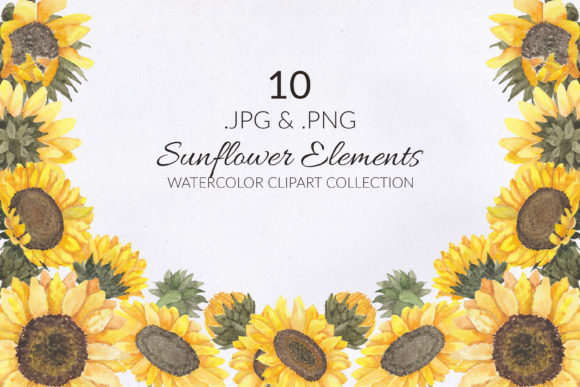
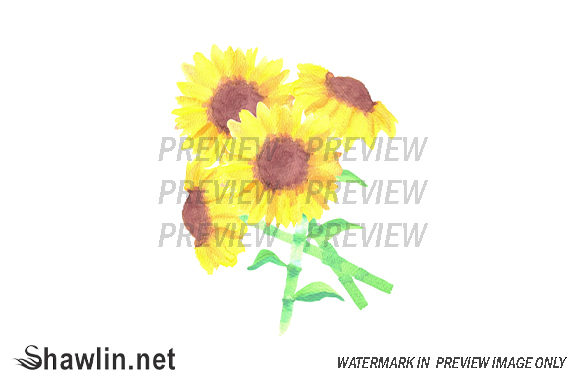
The Illustrations category often presents a challenge for embroiderers because soft, blended edges in watercolor paintings do not naturally align with the precision of satin stitch or fill stitch. However, Watercolor Sunflower Bouquet manages to capture that organic, painterly feel without sacrificing structural integrity. The layout feels balanced, with the sunflowers arranged in a way that suggests movement rather than a static cluster. The visual personality is warm and inviting, immediately evoking feelings of summer, growth, and comfort. For an Etsy seller or boutique owner looking to refresh their catalog with seasonal items, this design offers a distinct aesthetic that stands out from the typical geometric or bold graphic trends.
When I visualize this as a finished product, the mood is instantly set. It is not a design meant for high-impact industrial branding but rather for personal connection. The delicate gradients implied by the watercolor style suggest that careful attention to thread colors will be required to achieve the intended depth. If you are planning to use this for custom apparel or home decor, the design's inherent charm lies in its ability to soften the look of a garment, making it feel more artisanal and less mass-produced.
Real-World Application: A Custom Tote Bag Scenario
To truly test the viability of Watercolor Sunflower Bouquet, I imagined a specific scenario: creating a limited run of canvas tote bags for a local craft fair. Tote bags are a staple for small shop products, but they also present unique challenges due to the texture of the canvas and the frequent handling they endure. In this context, the design's flow would work beautifully across the front panel of a natural-colored bag. The yellow tones of the sunflowers would pop against the neutral background, while the green foliage would provide necessary contrast.
I considered how customers might react when holding such a bag. The tactile quality of the embroidery adds a layer of luxury that a printed design cannot match. For a personalized gift, perhaps for a teacher appreciation event or a wedding favor, the Watercolor Sunflower Bouquet transforms a simple utility item into a keepsake. The design's scale appears appropriate for a medium-sized hoop, ensuring that the details remain visible without overwhelming the fabric. However, if I were to place this on a sweatshirt, I would need to consider the fabric's stretch and how the stitch density interacts with the knit material to prevent puckering.
Navigating Fabric and Hoop Challenges
While the potential is high, there are specific areas where caution is required. Watercolor effects rely heavily on subtle transitions, which can be lost on textured fabrics like heavy denim or thick wool. On these surfaces, the fine details of the petals might get swallowed by the weave, resulting in a muddy appearance rather than a crisp, artistic look. Similarly, using this design on thin or stretchy fabric requires a robust stabilizer strategy. Without proper support, the tension from the fill stitch could distort the fabric, ruining the delicate shape of the bouquet.
Dark fabrics present another hurdle. To make the lighter yellows and greens of the sunflowers stand out on black or navy backgrounds, you may need to adjust the underlay or consider adding a white backing layer. This adds complexity to the production process but is essential for maintaining the design's clarity. Furthermore, curved surfaces like caps demand a different approach. The rigid nature of embroidery hoops makes it difficult to stitch complex bouquets onto rounded brims without distorting the layout. For cap projects, a simplified version or a smaller section of the Watercolor Sunflower Bouquet might yield better results than the full composition.
Practical Designer Notes for Success
- Test First: Always run a test stitch on scrap fabric that matches your final project material. This allows you to check for puckering and color blending before committing to expensive goods.
- Stitch Density Check: Inspect the fill stitch areas closely. If the density is too high, it can stiffen the fabric; too low, and the fabric might show through, breaking the illusion of the watercolor effect.
- Color Contrast: Review thread colors against your fabric swatches. What looks vibrant on a screen may appear dull on certain cottons or linens.
- Stabilizer Selection: Use a tear-away or cut-away stabilizer depending on the fabric weight. For baby embroidery or lightweight tea towels, a lightweight wash-away stabilizer is often the best choice to maintain softness.
- Licensing Verification: Before selling any finished product, confirm the commercial licensing terms of the embroidery file. Ensure you have the right to sell items featuring the Watercolor Sunflower Bouquet design.
Impact on Brand Value and Customer Trust
For creative entrepreneurs, the choice of design assets directly influences brand consistency and customer perception. Using a high-quality design like Watercolor Sunflower Bouquet signals professionalism and attention to detail. It elevates a standard holiday embroidery project into a premium offering. When customers see a well-executed, intricate design on a pillow cover or an apron, they associate that quality with your entire brand. This builds trust and encourages repeat business.
Conversely, poor execution can damage reputation. If the stitching is messy, the colors are off, or the design is distorted, it reflects poorly on the maker. Therefore, treating this machine embroidery design with care is not just about aesthetics; it is about protecting your business's integrity. Whether you are creating printable mockups for your online store or producing physical inventory for a craft fair, the visual appeal of the design drives buyer engagement. A stunning bouquet can be the difference between a scroll-past and a sale.
Final Verdict for Makers and Business Owners
In conclusion, Watercolor Sunflower Bouquet is a versatile and charming addition to any embroidery library, provided it is used with intention. It shines brightest on medium-weight fabrics like canvas, linen, and quilting cotton, where its artistic nuances can be fully appreciated. It is an excellent choice for holiday gifts, nursery decor, and boutique merchandise that aims to convey warmth and creativity. However, it demands respect for the technical aspects of embroidery, from stabilizer selection to thread management.
As you prepare to incorporate this design into your next project, remember that the best handmade products are born from thoughtful preparation. Take the time to review the hoop size requirements, check the stitch count compatibility with your machine, and ensure the design fits your specific product vision. With the right approach, Watercolor Sunflower Bouquet can become a signature element of your craft business, delighting customers with its beauty and durability.