Watercolor Cute Fox Cliparts: A Designer Review
As a designer who has spent years translating digital concepts into tangible stitched goods, I approach every new asset with a mix of excitement and skepticism. The gap between a pretty image on a screen and a successful embroidery project is often where small business owners stumble. Today, I am putting Watercolor Cute Fox Cliparts under the microscope to see if it holds up in the real world of machine stitching, client orders, and boutique merchandising.
The First Impression: Mood and Visual Potential
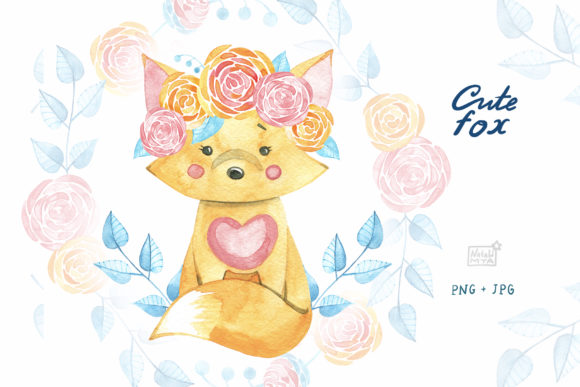
When I first opened the file for Watercolor Cute Fox Cliparts, the immediate feeling was one of soft nostalgia. These illustrations lean heavily into the whimsical aesthetic that defines so much of the current handmade market. The fox character itself is charming, with rounded edges and a gentle expression that screams "nursery decor" or "gift for a nature lover." However, as an embroidery reviewer, my eyes immediately went past the charm to the technical structure.
The watercolor effect in these cliparts is achieved through soft gradients and bleeding edges. In the world of vector graphics, this looks beautiful. In the world of thread, it presents a specific challenge. To replicate that painterly look, we cannot rely on simple fill stitch blocks. We need to think about how to layer thread colors to create depth without creating a muddy mess. The design feels less like a rigid logo and more like a piece of art meant for a personalized gift or a high-end handmade product.
Real-World Application: From Screen to Stitch
Let’s imagine a real scenario. I have a client who runs a local boutique selling organic cotton tote bags and wants to launch a spring collection featuring woodland animals. She asks me to use Watercolor Cute Fox Cliparts for a limited run of 50 bags. This is where the rubber meets the road.
For a tote bag design, the canvas is usually sturdy enough to handle moderate density. The fox illustration would work well here because the soft edges can be mimicked using a technique called "floating" or by using very fine running stitch along the perimeter to soften the hard line of the satin edge. If I were placing this on a sweatshirt embroidery project, the texture of the fleece would actually help hide some of the imperfections inherent in trying to stitch a watercolor gradient. The fuzz of the fabric blends with the thread, making the transition between colors look more natural.
However, consider a different context: a baby embroidery item like a onesie. Here, the stakes are higher. Parents expect perfection. The stitch density must be low enough to prevent the fabric from puckering when the baby moves. With Watercolor Cute Fox Cliparts, I would likely need to simplify the color palette. Instead of trying to capture every subtle wash of blue and orange in the original illustration, I would select three key shades and use a clever arrangement of fill stitch angles to suggest the watercolor bleed. This keeps the design recognizable while ensuring the finished product remains comfortable against sensitive skin.
Navigating Technical Challenges and Limitations
While the concept is strong, there are areas where Watercolor Cute Fox Cliparts requires careful handling. One major concern is the hoop size. Watercolor effects often require larger areas to let the "paint" breathe. If you try to shrink this design down to fit a tiny 4x4 hoop for a cap or a small patch, the delicate details will vanish. The soft gradients will turn into a solid blob of color, losing the very personality that makes the design appealing.
Fabric choice is equally critical. On dark fabrics, achieving that translucent watercolor look is nearly impossible with standard embroidery threads unless you use a heavy underlay or even an applique design technique where the background is cut out. Without proper preparation, the white highlights in the fox's fur might get lost, and the design could look flat. Similarly, on thin or stretchy fabrics like jersey knit, the weight of the thread required to build up those colors could cause distortion. You must use a high-quality stabilizer—likely a tear-away or cut-away depending on the garment—to anchor the stitches.
Another pitfall is the washing test. Products like kitchen towels or aprons go through frequent laundering. If the stitch density is too high in an attempt to mimic the rich colors of the watercolor, the fabric may pucker over time, ruining the drape of the towel. As a professional, I always advise testing the design on scrap fabric first, washing it, and inspecting the result before committing to a full production run.
Business Value and Brand Consistency
For the Etsy seller or the owner of a small shop product line, visual appeal directly correlates to customer trust. Watercolor Cute Fox Cliparts offers a distinct style that stands out against the sea of bold, cartoonish designs often found in commercial catalogs. Using this asset can elevate your brand perception, signaling that you offer curated, artistic pieces rather than generic mass-produced items.
However, consistency is key. If your brand is known for sharp, modern lines, introducing a soft watercolor fox might feel disjointed. It works best for brands focusing on rustic, bohemian, or child-centric themes. When used correctly, this design can become a signature element for holiday collections or seasonal drops. Imagine a holiday embroidery set where the fox is wearing a tiny scarf; the emotional connection customers feel toward such a cute character can drive significant engagement and sales.
Practical Notes for the Embroidery Designer
If you decide to move forward with this asset, keep these practical steps in mind:
- Test on Scrap Fabric: Never skip this step. See how the thread tension interacts with the specific fabric texture you plan to use.
- Check Color Contrast: Ensure the lighter parts of the watercolor effect show up clearly against your chosen background material.
- Review Licensing: Before selling any custom apparel or digital embroidery file derived from this, confirm the licensing terms. Can you sell the finished items? Can you resell the digitized file?
- Simplify for Small Scales: If you must use it on a smaller item, remove the finest details to maintain clarity.
- Create Mockups: Use a printable mockup to visualize how the design sits on a pillow cover or tote bag before you spend hours digitizing.
In conclusion, Watercolor Cute Fox Cliparts is a versatile asset within the Illustrations category, but it demands respect for its unique aesthetic. It is not a "load and stitch" design; it is a creative prompt that challenges the designer to bridge the gap between paint and thread. For those willing to put in the extra effort to adjust thread colors and manage stitch density, the result can be a stunning, high-value addition to any craft business portfolio. Whether for a one-off personalized gift or a scalable commercial embroidery line, this design has the potential to bring warmth and character to your work, provided you treat it with the technical care it deserves.