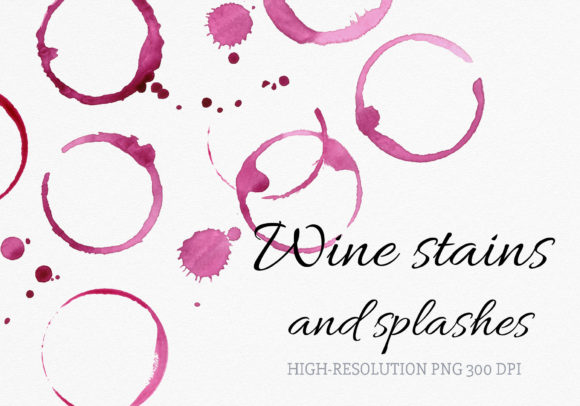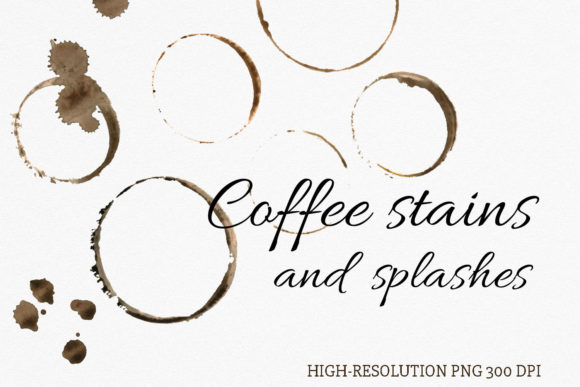
Watercolor Coffee Stains and Splashes Illustrations
As a seasoned handmade business owner who has spent years perfecting the look of my Etsy shop, I know that the right graphic design asset can make or break a seasonal collection. When I first opened the file for Watercolor Coffee Stains and Splashes, I was immediately struck by its cozy, lived-in aesthetic. It doesn't feel sterile or overly polished; instead, it evokes the warmth of a rainy morning, a favorite mug, and the creative chaos of a crafting table. This specific mood is exactly what attracts buyers looking for rustic, feminine, or shabby-chic products in the current market.
The visual personality of these illustrations suggests a premium yet approachable style. Unlike vector art that looks too sharp, the watercolor texture adds depth and character. For a small business branding strategy, this asset fits perfectly into collections targeting coffee lovers, book clubs, teachers, and anyone who appreciates a touch of vintage elegance. Whether you are preparing for a local craft fair or launching a new line on a creative marketplace, this design brings an instant sense of warmth that customers crave.
Bringing Cozy Vibes to Real Cricut and Silhouette Projects
In my own workflow, I recently tested Watercolor Coffee Stains and Splashes for a batch of custom tumbler wraps and sublimation mugs. The results were surprisingly versatile. When used as a background element for a sublimation design, the soft edges of the stains blend beautifully with text overlays. I paired a large splash behind a handwritten font quote about "morning rituals," and the contrast between the organic shape and the clean typography created a stunning focal point.
For vinyl cutting enthusiasts using Cricut or Silhouette machines, this asset offers a unique challenge and opportunity. While you cannot cut the actual watercolor gradient, the silhouette of the stain works exceptionally well as a layered decal. Imagine a dark-colored tote bag where you apply a black vinyl outline of a coffee stain, then layer a white vinyl script inside it. This technique creates a striking, high-contrast sticker design that stands out against the fabric. I also found it effective for creating die-cut shapes for scrapbooking layouts, where the irregular edges add a natural, artistic flair compared to standard geometric cuts.
Expanding Your Digital Product and Printable Lineup
Beyond physical crafting, these illustrations are a goldmine for digital product creators. If you sell printable wall art or planner stickers, Watercolor Coffee Stains and Splashes can serve as the perfect decorative accent. I designed a set of gift tags where the stains acted as subtle borders, framing the "Thank You" message without overpowering it. The PNG design files allowed me to place them seamlessly over various paper textures in my mockups, ensuring the final product looked cohesive.
For print-on-demand sellers, the versatility of this clipart is evident. A simple t-shirt design featuring a single, large coffee stain near the pocket area with a small script font saying "Caffeinated" resonates with a wide audience. The organic nature of the illustration ensures that the design feels less like a mass-produced logo and more like a curated piece of art. Furthermore, when creating seasonal craft bundles, you can mix these stains with other elements like leaves or books to create a cohesive autumn or winter collection that appeals to hobby makers looking for ready-to-use assets.
Navigating Technical Limitations and Design Challenges
While I love the aesthetic, experienced crafters know that not every asset works for every application. There are specific scenarios where Watercolor Coffee Stains and Splashes should be used with caution. First, avoid using these designs for very small cutting details. The intricate edges of a watercolor splash can get lost if scaled down too much for a tiny button or a miniature sticker. In those cases, the fine lines might clog your weeding tools or fail to adhere properly during heat pressing.
Additionally, crowded compositions can become muddy. Because the stains have a textured, semi-transparent quality, placing them in a layout with too many other busy elements can reduce readability. If you are designing a complex invitation or a detailed label, ensure there is enough negative space around the illustration so the customer's eye isn't overwhelmed. Low-contrast colors are another pitfall; placing a light beige stain on a cream background will render the design invisible. Always test how the asset looks on both white and dark products before committing to a full production run.
Practical Tips for Handmade Business Success
To ensure your finished products look professional, follow these practical notes based on my experience with similar assets:
- Test Before You Sell: Always print a sample of your design on the actual material you intend to use. Check if the SVG lines are clean and if the PNG transparency holds up under different lighting conditions.
- Verify Resolution: For sublimation design work, confirm that the image resolution is high enough (at least 300 DPI) to prevent pixelation on mugs or tumblers.
- Color Calibration: Test colors before printing. Watercolors often shift slightly when printed, so adjust your settings to match the intended warm tones.
- Mockup Reality Check: Place the design on real product mockups rather than flat screens. This helps you visualize how the stain interacts with the curvature of a mug or the weave of a tote bag.
- Font Pairing: These illustrations pair best with serif fonts for an elegant look, or script and handwritten fonts for a playful, personal touch. Avoid heavy display fonts that clash with the delicate texture.
- Licensing Compliance: Most importantly, confirm commercial licensing before using it for customer orders or handmade business products. Ensure the license covers your specific use case, whether it is for physical goods, digital downloads, or print-on-demand services.
Ultimately, Watercolor Coffee Stains and Splashes is more than just a graphic; it is a storytelling tool for your brand. By understanding its strengths and limitations, you can integrate it into your workflow to create products that feel authentic and inviting. Whether you are a solo crafter making items for a weekend market or scaling up a handmade business for online sales, this design asset offers the perfect balance of charm and functionality to elevate your next project.