Blue Watercolor Shapes: A Designer's Review
When I first pulled up the Blue Watercolor Shapes file on my design screen, I wasn't just looking for another generic pattern. As someone who spends hours curating assets for my small shop and client work, I know that the difference between a bestseller and a return often lies in the nuance of the design itself. This particular set falls under the Illustrations category, which immediately sets an expectation of artistic flair rather than rigid geometric precision. My goal today is to walk you through exactly how this machine embroidery design translates from a digital preview to a tangible, stitched reality.
The First Impression: Mood and Visual Personality
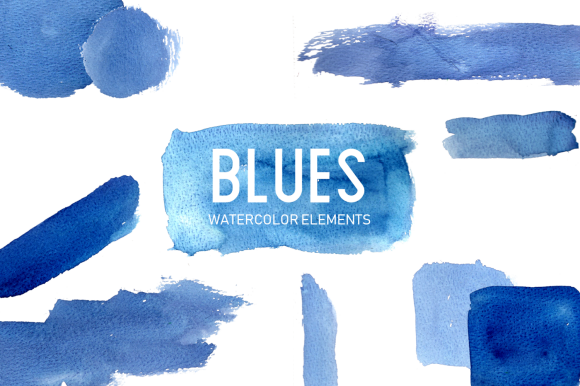
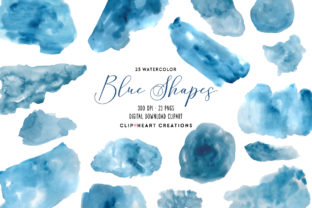
The immediate vibe of Blue Watercolor Shapes is one of softness and fluidity. Unlike traditional vector graphics with hard edges, these shapes mimic the bleed and gradient of actual watercolor paint. For an embroidery designer, this is both exciting and challenging. The visual personality suggests a modern, calming aesthetic that fits perfectly into contemporary nursery decor, bohemian home goods, or elevated streetwear. When I imagine this on a finished product, I see it adding a touch of sophistication without being overly loud.
However, translating a "watercolor" look into thread requires careful consideration. In a standard fill stitch, gradients can sometimes look muddy if the color blending isn't handled correctly. The beauty of this design lies in its ability to suggest depth through layering rather than relying solely on complex shading. It feels like a design meant for custom apparel where texture plays a major role in the final appeal.
Testing the Waters: A Real-World Project Scenario
To truly understand the potential of Blue Watercolor Shapes, let's place it in a real scenario. Imagine you are preparing a line of premium canvas tote bags for an upcoming craft fair. You want something that stands out against the sea of solid-colored bags but still feels cohesive with a nature-inspired brand identity. I loaded this embroidery file onto my machine and tested it on a medium-weight cotton canvas.
The result was surprisingly effective. The organic curves of the blue shapes created a sense of movement across the fabric. Because the design avoids tiny, intricate details, it held up beautifully even when scaled up to fit the front panel of the bag. Customers browsing at a craft fair or scrolling through an Etsy listing respond well to designs that feel handmade yet professional. This tote bag design would likely increase the perceived value of the item, allowing you to price it higher than a standard printed alternative.
I also considered using it for sweatshirt embroidery. Placing the shapes near the pocket or on the back shoulder creates a subtle branding element. For a boutique owner, this kind of understated detail builds brand consistency. It’s not shouting for attention; it invites the customer to look closer, which increases engagement and trust in your quality.
Navigating Fabric Challenges and Technical Limitations
While Blue Watercolor Shapes is versatile, it is not a magic bullet for every situation. As a reviewer, I must point out where this design needs caution. If you attempt to use this on very thin or stretchy fabrics, such as jersey knit t-shirts, the density of the fill stitch might cause puckering. The fluid nature of the shapes means there are large areas of stitching, which adds weight to the fabric.
Furthermore, the "watercolor" effect relies heavily on the background. On dark fabrics, lighter blue threads might get lost unless you use a significant amount of underlay or a contrasting backing. I strongly advise testing this on scrap fabric first to check the stitch density and ensure the colors pop as intended. If you are working with textured fabrics like denim or heavy wool, the irregular surface might disrupt the smooth flow of the shapes, making them appear jagged rather than fluid.
Another critical area is the hoop size. While the design scales well, shrinking it too much for a cap or a small patch could cause the delicate transitions between shapes to blur. The essence of the watercolor look is in the soft edges, which require enough space to breathe. Always confirm the recommended hoop size before committing to a production run, especially for items like embroidered patches where precision is key.
Strategic Use for Small Business and Crafters
For the Etsy seller or small shop owner, Blue Watercolor Shapes offers a great opportunity to create unique personalized gifts. Think about holiday embroidery projects, such as custom tea towels or pillow covers. The cool blue tones pair exceptionally well with neutral linens, creating a sophisticated look that appeals to interior design enthusiasts. These items photograph beautifully for printable mockups and social media marketing, helping to drive traffic to your listings.
If you are planning to sell digital embroidery files or use this asset in commercial projects, you must verify the licensing terms. Many designers restrict the sale of finished goods made from their files, or they may have specific rules regarding commercial embroidery. Never assume; always read the license agreement to protect your business from legal issues. Using high-quality design assets legally ensures that your brand remains reputable and trustworthy.
Practical Tips for the Best Results
To get the most out of Blue Watercolor Shapes, here are a few professional tips I recommend:
- Test on Scrap Fabric: Always run a test stitch on the exact fabric you plan to use. Check for tension issues and color accuracy.
- Choose the Right Stabilizer: Given the fill-heavy nature of the design, a cut-away stabilizer is often better for knits, while tear-away works well for wovens. This prevents distortion over time.
- Check Thread Contrast: Ensure your chosen thread colors stand out against the fabric. Sometimes a slightly darker or lighter shade of blue can add more dimension than the exact match.
- Review Stitch Density: If the design looks too dense, consider adjusting the settings in your software to reduce bulk, especially for lightweight garments.
- Mockup Before Production: Create a black and white mockup to visualize the placement and scale before spending money on materials.
Final Thoughts on Design Value
In conclusion, Blue Watercolor Shapes is a strong addition to any embroidery project library for those seeking a modern, artistic touch. It bridges the gap between digital art and tactile craftsmanship, offering a fresh alternative to traditional floral or geometric patterns. Whether you are decorating a baby onesie, creating a holiday gift, or building inventory for your online store, this design has the potential to elevate your work.
However, success depends on execution. By understanding the limitations of fabric types, paying attention to stabilizer choices, and respecting the licensing terms, you can turn this machine embroidery design into a profitable and beautiful reality. As we move forward in the world of handmade products, choosing designs that balance aesthetic appeal with technical feasibility is what separates hobbyists from successful creative entrepreneurs. Give Blue Watercolor Shapes a try, but do so with the care and preparation it deserves.